
For centuries, Thai Massage has been recognized as a powerful healing practice that blends acupressure, Indian Ayurvedic principles, and assisted yoga postures. Originating in Thailand more than 2,500 years ago, this ancient therapy is not only a means of physical relaxation but also a holistic approach to wellness. Thai massage is increasingly popular worldwide, attracting those seeking a natural and rejuvenating experience for the body and mind.
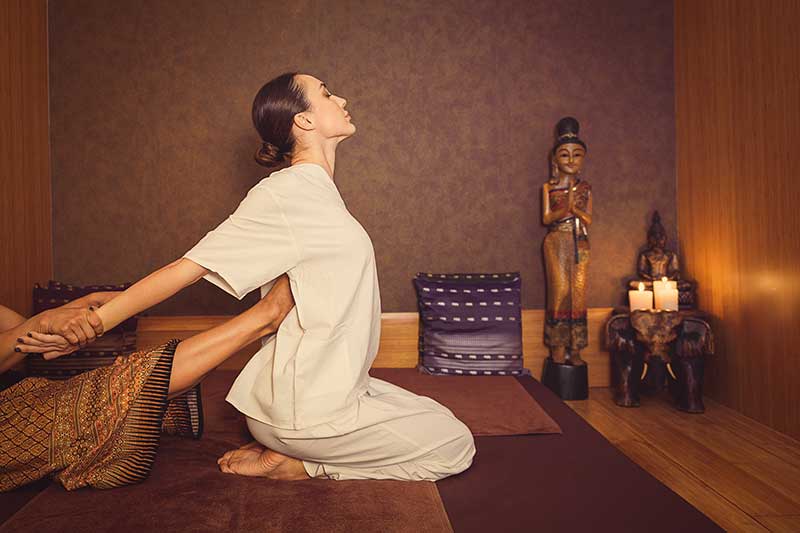
Unlike Western massage techniques that typically involve lying on a table and applying oils, Thai massage is performed on a floor mat with the recipient fully clothed. This distinct method emphasizes rhythmic pressing, stretching, and gentle rocking movements. Thai massage practitioners use their hands, elbows, knees, and even feet to apply pressure and guide the body into various positions. These dynamic movements are not only therapeutic but also energizing, making Thai massage a favorite among those looking to improve their flexibility and vitality.
One of the core philosophies behind Thai massage is the belief in energy lines, known as “Sen” lines, which flow throughout the body. According to traditional Thai medicine, blockages or imbalances in these energy pathways can cause physical discomfort and illness. Through targeted pressure and stretching techniques, Thai massage aims to stimulate these lines, remove blockages, and restore the natural flow of energy. This energy-based approach is what sets Thai massage apart from other forms of bodywork, providing a unique blend of physical and energetic healing.
Many people turn to Thai massage not only for relaxation but also for relief from chronic pain and tension. Whether it’s back pain, headaches, or joint stiffness, Thai massage offers therapeutic benefits that go beyond temporary relief. The deep pressure and stretching involved in Thai massage can release muscle knots, improve circulation, and enhance the body’s natural healing abilities. Moreover, because Thai massage integrates mindfulness and breath awareness, it promotes a deep state of mental calm and emotional balance.
Another appealing aspect of Thai massage is its focus on collaboration between the practitioner and recipient. Unlike passive forms of massage where the client lies still, Thai massage encourages active participation. The recipient is gently guided through a series of yoga-like stretches, often described as “lazy man’s yoga.” This interactive element of Thai massage fosters a deeper connection with one’s body and breath, making it a meditative and grounding experience. The combination of movement, touch, and breath work makes Thai massage a truly holistic therapy.
Thai massage also plays a significant role in Thai culture, where it is regarded as both a medical and spiritual practice. Traditionally taught in Buddhist temples, Thai massage was seen as a way to promote compassion, mindfulness, and healing. Even today, many practitioners approach their work with a deep sense of respect and spiritual intention. In this way, Thai massage is not just a physical technique, but a form of loving-kindness, or “metta,” offered through touch. This cultural depth enriches the experience and contributes to the profound effects many people report after a Thai massage session.
From a modern wellness perspective, Thai massage has found its place among other complementary therapies used to manage stress and improve overall health. Studies have shown that Thai massage can lower cortisol levels, reduce anxiety, and improve sleep quality. These benefits are particularly relevant in today’s fast-paced world, where stress-related conditions are increasingly common. Incorporating Thai massage into a regular self-care routine can be a valuable way to maintain physical health and emotional well-being.
Thai massage is also highly adaptable, suitable for people of all ages and fitness levels. Whether you are an athlete looking to enhance performance and recovery, an office worker seeking relief from postural tension, or an elder aiming to maintain mobility, Thai massage can be tailored to meet individual needs. Experienced practitioners adjust their techniques based on the client’s physical condition and goals, ensuring a safe and effective session. This versatility makes Thai massage accessible and beneficial to a wide audience.
If you are considering trying Thai massage for the first time, it’s important to find a trained and certified practitioner. A professional will not only ensure proper technique and safety but also help you understand what to expect during the session. Thai massage typically lasts between 60 to 120 minutes, allowing ample time for a full-body treatment. While some stretches may feel intense at times, the overall experience should be relaxing and restorative. With an open mind and a willingness to participate, Thai massage can be a deeply transformative journey.
In conclusion, Thai massage is much more than a form of physical therapy—it is an ancient art rooted in holistic healing, spiritual awareness, and compassionate touch. Its unique blend of movement, pressure, and energy work sets it apart as one of the most effective and enriching massage therapies available today. Whether you’re looking to relieve stress, improve mobility, or simply reconnect with your body, Thai massage offers a pathway to greater harmony and well-being.