
I’ve spent over a decade working in event operations, primarily focused on access control and on-site logistics for ticketed attractions, nightlife venues, and multi-day public events. Over the years, I’ve tested just about every wristband material available, usually after learning lessons the hard way. These days, when I know security and durability matter more than subtlety, I point organizers to custom plastic wristbands and tell them to shop here because that category consistently solves problems I’ve personally dealt with in the field.
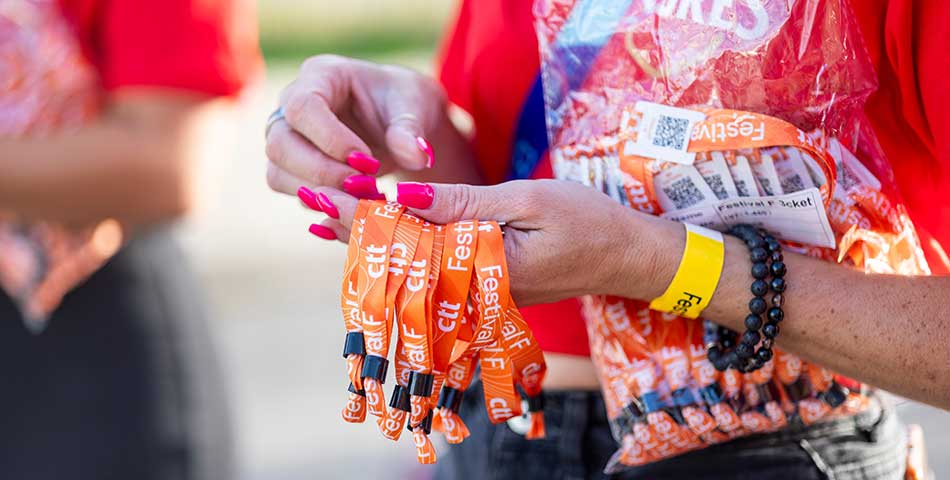
My shift toward plastic wristbands started after a string of frustrating evenings at a busy venue where Tyvek simply wasn’t holding up. Guests were peeling adhesive tabs, passing bands back through exits, and arguing with staff about whether their wristband was “still valid.” The first night we switched to snap-lock plastic wristbands, those conversations almost disappeared. Once locked, they stayed locked, and staff no longer had to guess whether someone was trying to game the system.
One situation that stands out was a multi-day attraction I helped manage last year with re-entry privileges. We needed something that could survive heat, sweat, and constant movement without stretching or fading. Fabric felt too flexible for the level of control we needed, and Tyvek wouldn’t have made it past day one. Plastic wristbands held their shape, stayed readable, and made it obvious if someone tried to remove or alter them. That reliability reduced pressure on security staff and kept entry points moving smoothly.
I’ve also seen plastic wristbands make training easier for temporary staff. At a seasonal event a customer ran last spring, volunteers rotated frequently and didn’t have time to learn complicated access rules. Color-coded plastic bands with distinct closures meant they could make decisions instantly. Even in low lighting or crowded conditions, the difference between valid and invalid access was clear from several feet away.
That said, I don’t recommend plastic wristbands blindly. Comfort matters, and plastic can feel rigid if it’s overtightened or worn for long hours by the wrong audience. I’ve seen organizers create unnecessary complaints by snapping bands too tight during rush periods. I always emphasize proper sizing and a quick double-check before locking the clasp. That small habit prevents most issues before they start.
Another common mistake is using plastic wristbands for short, casual events where they’re unnecessary. For a daytime fundraiser or a school function, they can feel excessive and out of place. Plastic shines in environments where authority, durability, and tamper resistance are priorities, not where a softer, more relaxed feel is expected.
From hands-on experience, custom plastic wristbands are best treated as control tools, not just identifiers. In the right setting, they remove ambiguity, reduce conflict, and make life easier for everyone managing the doors. When chosen intentionally, they do exactly what they’re supposed to do—without drawing attention to themselves.