
I’ve spent over a decade working as a home entertainment technician, helping families install smart TVs, configure streaming devices, and troubleshoot network issues. Over time I’ve seen people slowly move away from traditional cable. During several recent installations, clients started asking me about services related to Iptv france because they wanted more channel options without the usual restrictions of satellite or cable packages.
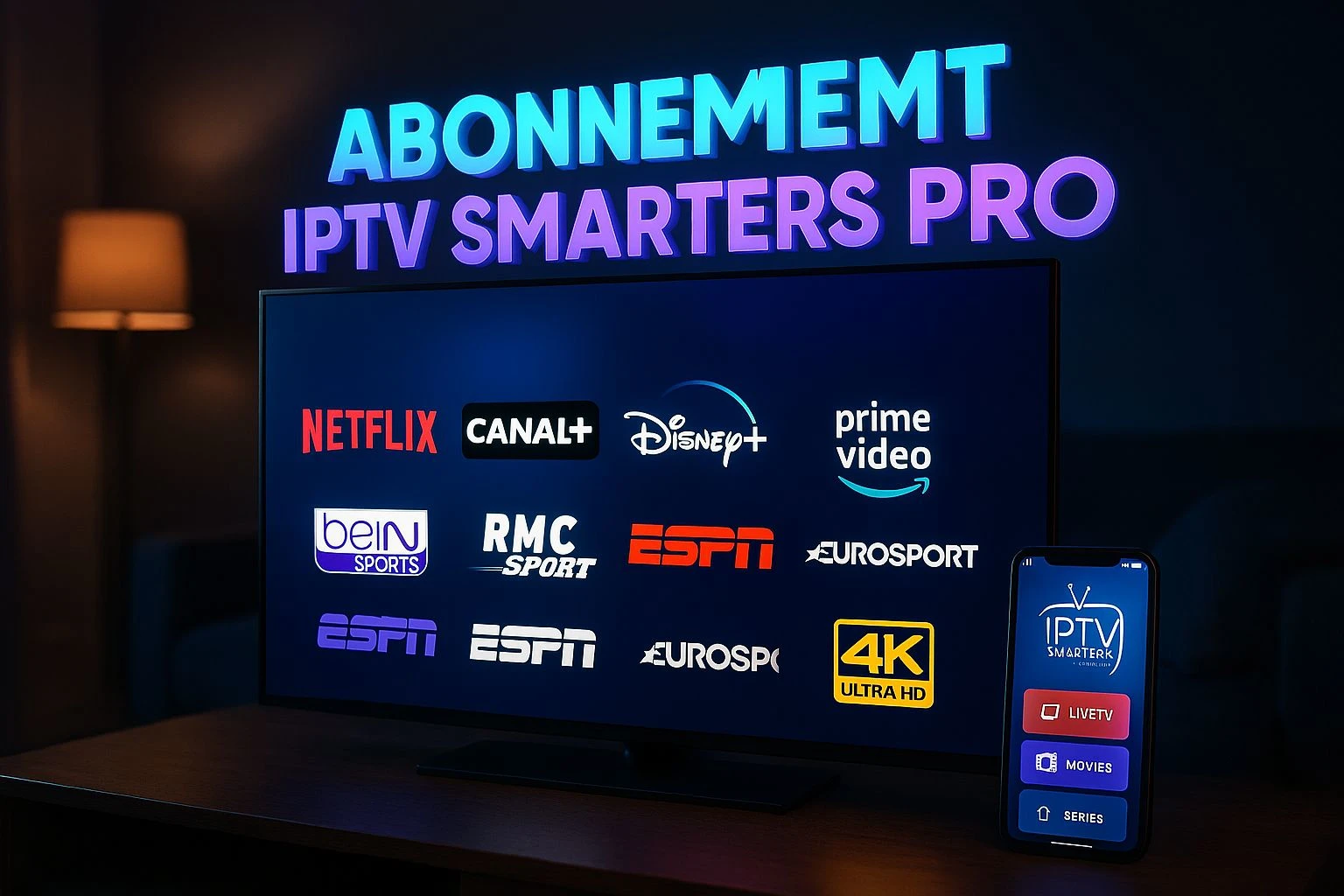
The first time I seriously looked into IPTV for French television was during a home setup for a client who had recently moved from Lyon. They were frustrated because their local provider offered only a handful of French channels. I remember spending the afternoon setting up their streaming box and testing different viewing options. Once the IPTV channels loaded, they immediately found the news and sports channels they used to watch back home. Seeing that reaction made me realize how valuable IPTV can be for people who want familiar programming.
In my line of work, I often test systems myself before recommending them to clients. I installed an IPTV setup in my own living room to see how it performed over a few weeks. The most noticeable difference was how quickly I could access channels from different regions. Instead of switching between several apps, everything appeared in one interface. That kind of convenience makes a big difference for households that watch a variety of international content.
One experience that convinced me IPTV was worth recommending happened last spring. I was working with a family that constantly complained about satellite interruptions during bad weather. Heavy rain would knock out their signal right in the middle of important football matches. After upgrading their internet connection and setting up IPTV, they told me later that the signal stayed stable even during storms. Situations like that remind me how dependent satellite systems can be on external conditions.
Another memorable case involved a couple who wanted access to French entertainment shows for their parents. The parents weren’t very comfortable navigating complicated streaming apps, so we chose an IPTV interface that resembled traditional channel navigation. I spent about half an hour showing them how to browse channels with the remote. By the end of the visit they were already flipping between channels as if they had been using the system for years.
From my experience installing these systems, the biggest mistake people make is overlooking their home network. IPTV works best when the internet connection is stable and the router is positioned properly. I’ve seen households blame streaming services for buffering problems when the real issue was weak Wi-Fi coverage. Once the network was adjusted, the viewing experience improved almost immediately.
After years of setting up televisions and streaming systems for clients, I’ve come to appreciate how IPTV simplifies access to international programming. For viewers in France or those who want French channels abroad, it offers flexibility that traditional broadcasting systems rarely provide.